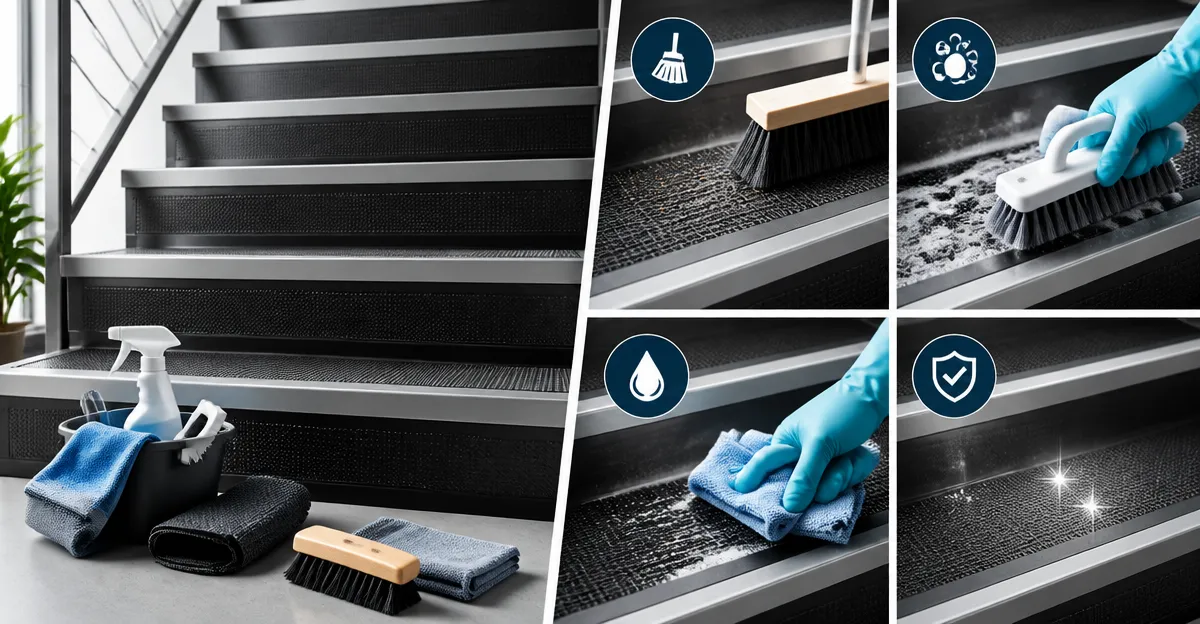
How to Clean and Maintain Anti‑Slip Stair Treads: Simple Step‑by‑Step Tips to Restore Grip and Extend Lifespan
Introduction
One will discover how to preserve the safety and appearance of anti‑slip stair treads through systematic cleaning and maintenance. The guide explains why regular care prevents loss of traction, reduces wear, and protects the underlying staircase. Readers will gain confidence to perform each task without professional assistance while understanding the value of high‑quality products. Ultimately, the information helps families, pet owners, and property managers maintain secure stairways for years.
What You Will Need
- A soft microfiber cloth or non‑abrasive sponge
- Mild liquid detergent (pH‑neutral)
- A bucket of warm water
- A vacuum cleaner with a brush attachment
- A soft‑bristle brush for stubborn stains
- Dry towels or a low‑speed fan for drying
- Optional replacement treads such as COSY HOMEER Stair Treads 15 Pack or KOOTETA Stair Treads 15 Pack if adhesive performance declines
Step 1: Prepare the Work Area
Before any cleaning begins, one should clear the stairwell of loose objects, toys, and pet accessories. Sweep the steps with a soft broom to remove dust and debris that could interfere with the cleaning solution. Ensure the ambient temperature is moderate; extreme cold may cause the adhesive backing to become brittle. This preparation reduces the risk of scratching the tread surface during subsequent steps.
Step 2: Remove Surface Dust and Loose Dirt
Using a vacuum cleaner equipped with a brush attachment, one should gently vacuum each tread to extract dust, pet hair, and fine particles. Move the brush in the direction of the tread grain to avoid lifting the backing. For corners and edges, employ the narrow nozzle to reach tight spaces. This step eliminates abrasive particles that could wear the non‑slip surface over time.
Step 3: Spot‑Clean Stains with Mild Detergent
Prepare a solution of warm water and a few drops of mild liquid detergent. Dampen a soft microfiber cloth in the solution, then wring it out until it is barely moist. Gently blot visible stains, allowing the detergent to loosen residue without saturating the adhesive layer. Rinse the cloth with clean water and repeat the blotting to remove soap traces. Spot‑cleaning preserves the tread’s grip while preventing water damage to the backing.
Step 4: Deep Clean Washable Treads
Many anti‑slip treads, including the COSY HOMEER Stair Treads 15 Pack, are designed for repeated machine washing. Place the treads in a mesh laundry bag to protect the edges, then wash on a gentle cycle using cold water and a mild detergent. Avoid fabric softeners because they can reduce the non‑slip coating. After washing, air‑dry the treads in a shaded area; direct sunlight may degrade the TPE backing.
Step 5: Dry and Re‑Secure the Treads
Once the treads are clean, use dry towels to absorb excess moisture. Allow the treads to air‑dry completely before testing the adhesive, typically for at least two hours. If the adhesive feels less tacky, press the tread firmly with a clean hand, applying even pressure across the surface. For high‑traffic stairs, a low‑speed fan can accelerate drying without exposing the material to heat.
Step 6: Inspect Adhesion and Replace When Necessary
After cleaning, examine each tread for signs of lifting, discoloration, or loss of grip. If the backing no longer adheres securely, consider replacing the affected pieces with new treads. The KOOTETA Stair Treads 15 Pack offers a strong TPR self‑adhesive technology that provides reliable anti‑slip performance without leaving residue. Their easy‑cut design allows precise fitting for irregular steps, making them an excellent replacement option.
Tips & Pro Tips
- Test a small inconspicuous area with the cleaning solution before treating the entire tread to ensure no discoloration occurs.
- For pet‑related accidents, promptly blot the area with a vinegar‑water solution (1:4 ratio) to neutralize odors before the standard cleaning.
- Apply a thin layer of talc powder on the backside of the tread after cleaning to restore a slight grip for extra security on very smooth wood.
- Schedule a quarterly deep‑cleaning routine to prevent grime buildup that can compromise the anti‑slip surface.
Troubleshooting
Problem: The tread feels slippery after cleaning.
Solution: Verify that the tread is completely dry; residual moisture can reduce friction. If dryness does not resolve the issue, re‑apply a fresh adhesive strip from the original manufacturer or replace the tread with a new unit such as the MBIGM Stair Treads 15 Pack, which features a three‑layer construction for lasting grip.
Problem: The adhesive leaves a faint residue on the staircase.
Solution: Use a soft cloth dampened with isopropyl alcohol to gently remove the residue. Avoid abrasive scrubbers that could damage the wood finish.
Conclusion
By following the systematic approach outlined above, one can maintain the safety, appearance, and durability of anti‑slip stair treads. Regular dust removal, proper spot cleaning, and occasional deep washing preserve the non‑slip surface, while vigilant inspection ensures timely replacement. The recommended Amazon products provide reliable performance and ease of installation, supporting a hassle‑free maintenance routine. Implement these practices to protect family members, pets, and guests from stair‑related accidents.
Products Mentioned in This Guide
Frequently Asked Questions
How often should anti‑slip stair treads be cleaned?
Clean them at least once a month, or more frequently in high‑traffic areas or after spills.
What cleaning solutions are safe for anti‑slip treads?
Use a mild, pH‑neutral liquid detergent mixed with warm water; avoid harsh chemicals or abrasive cleaners.
Is it okay to vacuum anti‑slip stair treads?
Yes, use a vacuum with a brush attachment to remove dust and debris before wet cleaning.
How can I remove stubborn stains without harming the tread surface?
Gently scrub the spot with a soft‑bristle brush and the detergent solution, then rinse thoroughly with a clean, damp cloth.
When should I replace my anti‑slip stair treads?
Replace them once the surface shows noticeable wear, loss of grip, or cracking that cannot be restored by cleaning.